
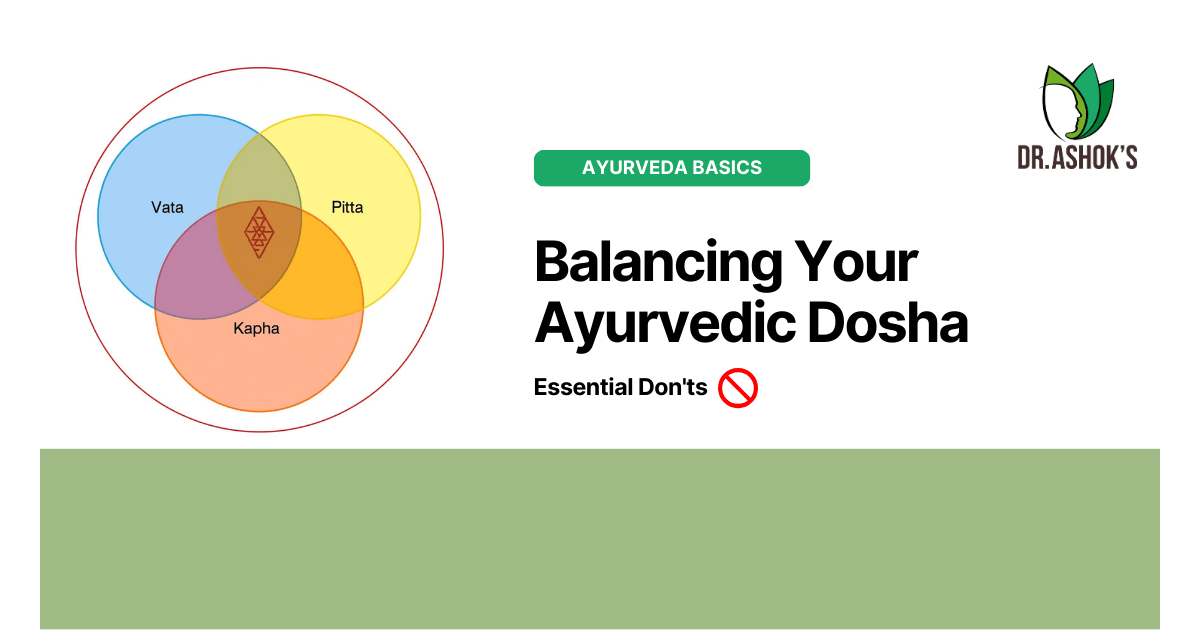
Essential Don'ts for Balancing Your Ayurvedic Dosha
Introduction to Ayurvedic Doshas
What Are Doshas?
In Ayurveda, an ancient healing system from India, doshas are key to understanding our health and unique traits. The word “dosha” means “that which changes” and refers to the mix of energies that shape our physical, mental, and emotional qualities. There are three main doshas: Vata, Pitta, and Kapha. Each dosha is linked to specific elements and has its own characteristics and functions in the body. Knowing your dosha helps you take better care of yourself and find balance in life.
Importance of Balancing Doshas
Achieving a balance of the doshas is crucial for comprehensive wellness. When our doshas are aligned, our bodies operate at their best, affecting various aspects from digestion to emotional health. Disruptions in this balance can result in physical, mental, and emotional issues, underscoring the necessity of identifying our individual dosha types and actively working to sustain their balance. In Ayurveda, methods such as yoga, a suitable diet, meditation, and herbal treatments are frequently utilized to reestablish harmony among the doshas, thereby improving overall health.
The Three Doshas: Vata, Pitta, and Kapha
The three doshas—Vata, Pitta, and Kapha—each represent a blend of the five elements: space, air, fire, water, and earth.
- Vata is defined by the elements of air and space. It influences movement, creativity, and flexibility, but may also lead to anxiety and restlessness when it is not in balance.
- Pitta is linked to fire and water, facilitating transformation and metabolic functions. When out of balance, Pitta can present as irritability, inflammation, and digestive problems.
- Kapha, which consists of earth and water elements, signifies structure and stability. Although it encourages strength and endurance, an excess of Kapha can lead to lethargy and weight gain.
Identifying your dominant dosha can assist you in making lifestyle decisions that promote balance and individuality.
Impact of Imbalanced Doshas
An imbalance in doshas can significantly impact both physical and mental well-being. For example, an overactive Vata may result in digestive problems, insomnia, and anxiety; an excess of Pitta can lead to skin irritations, inflammatory conditions, and heightened anger; whereas an overabundance of Kapha might cause lethargy, weight gain, and depression.
Recognizing the indicators of imbalanced doshas is essential for restoring health. By implementing Ayurvedic practices—such as modifying your diet, participating in targeted exercises, and using herbal remedies—you can strive to balance your doshas and promote holistic well-being.
In summary, adopting the Ayurvedic concept of doshas facilitates a tailored approach to health and wellness, allowing us to flourish rather than simply exist in our fast-paced environment. Achieving balance among the doshas can result in increased energy, better emotional stability, and greater overall life satisfaction.
Common Ayurveda Dosha Don’ts
Ignoring Personal Constitution
Ayurveda highlights the importance of recognizing your individual dosha—Vata, Pitta, or Kapha—to achieve balance. Neglecting your specific constitution while selecting diet or lifestyle choices may result in imbalances, potentially leading to fatigue, digestive problems, or heightened stress.
Overeating or Skipping Meals
Both excessive eating and omitting meals can interfere with digestive fire (Agni) and disturb the balance of doshas. Overeating places a strain on the digestive system, whereas skipping meals diminishes digestive strength, resulting in the accumulation of toxins and imbalances.
Effects on Digestion
In Ayurveda, effective digestion is essential for good health. When digestion is impaired by unhealthy habits, it leads to the accumulation of Ama (toxins), which can disturb the doshas and negatively affect general well-being. This imbalance may result in symptoms such as bloating, indigestion, and fatigue.
Timing of Meals
The timing of meals is essential; consuming food when Agni is at its peak enhances nutrient absorption and maintains dosha equilibrium. Generally, the most substantial meal is recommended at midday, whereas lighter meals are advisable in the evening to promote digestion and facilitate restful sleep.
Seasonal and Lifestyle Don’ts
Neglecting Seasonal Changes
In Ayurveda, not adapting to seasonal variations can disturb the body’s inherent equilibrium, resulting in various health problems. Each season necessitates particular adjustments in diet and lifestyle, and neglecting these changes may heighten the likelihood of dosha imbalances, which can manifest as issues such as digestive complications or fatigue.
Ignoring Daily Routines (Dinacharya)
Dinacharya encompasses daily practices aimed at aligning the body and mind. Neglecting these routines—like appropriate waking hours, meal timings, and self-care rituals—may lead to diminished immunity and reduced mental clarity.
Common Mistakes in Daily Practices
Common mistakes consist of inconsistent meal schedules, neglecting self-massage (abhyanga), and spending too much time in front of screens prior to sleep. Such practices can interfere with natural bodily rhythms and ought to be avoided in order to maintain optimal health.
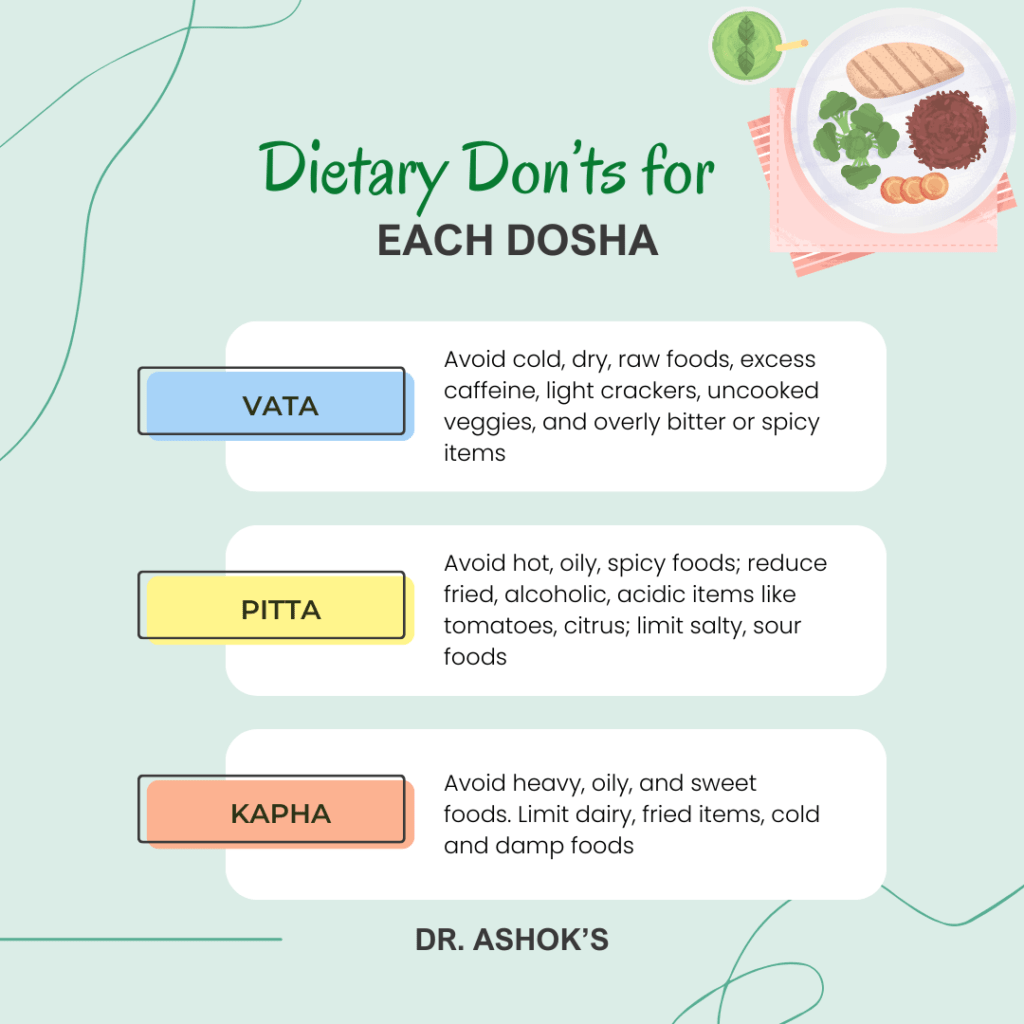
Dietary Don’ts for Each Dosha
Vata Dosha Don’ts
People with a predominant Vata dosha ought to refrain from consuming cold, dry, and raw foods, as these can exacerbate the inherent qualities of Vata, causing an imbalance. It is advisable to avoid high amounts of caffeine, light crackers, and uncooked vegetables, along with foods that are overly bitter, astringent, or spicy.
Pitta Dosha Don’ts
Individuals with a Pitta constitution should steer clear of foods that are hot, oily, and spicy, as these can intensify their inherent fiery nature. Reducing the consumption of fried foods, alcoholic beverages, and acidic items such as tomatoes and citrus fruits is essential for maintaining equilibrium. Additionally, it is advisable to limit the intake of salty and sour foods in order to avoid an increase in heat and inflammation.
Kapha Dosha Don’ts
Individuals with a Kapha dosha can benefit by steering clear of heavy, oily, and sweet foods, as these can contribute to feelings of sluggishness and congestion. It is advisable to limit the intake of dairy products, fried items, and sweets, as well as cold and damp foods that may amplify Kapha’s inherent heaviness.
Conclusion and Recommendations
Importance of Self-Awareness
Achieving balance in your Ayurvedic dosha starts with self-awareness. It’s essential to comprehend your body’s individual constitution and recognize how it responds to various foods, environments, and activities. Pay attention to indicators of imbalance, such as fatigue, mood fluctuations, or digestive complications, rather than dismissing them. Practicing mindfulness enables you to adjust your lifestyle, helping to sustain harmony and avoid potential long-term health issues.
Consulting an Ayurvedic Practitioner
Although self-awareness plays a significant role, seeking the expertise of a qualified Ayurvedic practitioner is strongly advised. These professionals can offer personalized recommendations based on your dosha and your current health condition, delivering customized advice regarding diet, daily routines, and therapies. It is important to refrain from self-diagnosing or adhering to broad advice, as Ayurveda focuses on individualized care to achieve the best possible health outcomes.