
Heavy Metals Blood Test & Red Cell Mineral Blood Panel
Assess Potential Exposure. Understand Mineral Status. Take Informed Next Steps.
£249.99
£59.99
SAVE £190
(76.00% OFF)
£249.99
£59.99
SAVE £190 • 76.00% OFF
Five Exposure
Related Metals
Five Red Cell
Nutritional Minerals
Two Sample
Types Required
Results Usually
within 14 Days *
The Heavy Metals and Red Cell Minerals Panel measures five metals relevant to environmental, occupational or supplement-related exposure: aluminium, chromium, lead, manganese and mercury. It also measures red-cell calcium, magnesium, copper, selenium and zinc.
The panel may support investigation when there is a credible exposure history, unexplained symptoms or concern about excessive supplement use.

Ideal For
Adults with a credible exposure history or a clinical reason to assess these metals and minerals
Occupational Exposure
Environmental Exposure
Lead Risk
Old paint, contaminated dust
Mercury Risk
Relevant work exposure or frequent high-mercury fish intake.
Unexplained Anaemia
Assess alongside full blood count, iron, B12 and folate
Implants or Metal Devices
Testing requested by a clinician where exposure is suspected
Restricted Diet or Malabsorption
Possible altered mineral status requiring nutritional assessment
Neurological Symptoms
Tremor, numbness, weakness or cognitive symptoms needing evaluation
Unexplained Anaemia
Assess alongside full blood count, iron, B12 and folate
Kidney or Liver Concerns
Review metal handling under medical supervision
Treatment Monitoring
Repeat after a confirmed abnormal result or exposure intervention
Nutritional Review
Assess red-cell minerals alongside diet and symptoms
Urgent note: Major exposure, severe abdominal pain, confusion, seizures, breathing difficulty, marked weakness or a possibly exposed unwell child requires urgent medical or poisons-service assessment.
Aluminium
Chromium
Lead
Manganese
Mercury
Red Cell Calcium and Magnesium
Red Cell Copper, Selenium and Zinc
Exposure and Supplement Review
Ayurvedic Environmental and Nutritional Assessment
What We Assess
Includes:
May Help Assess or Identify:
Ayurvedic Context:
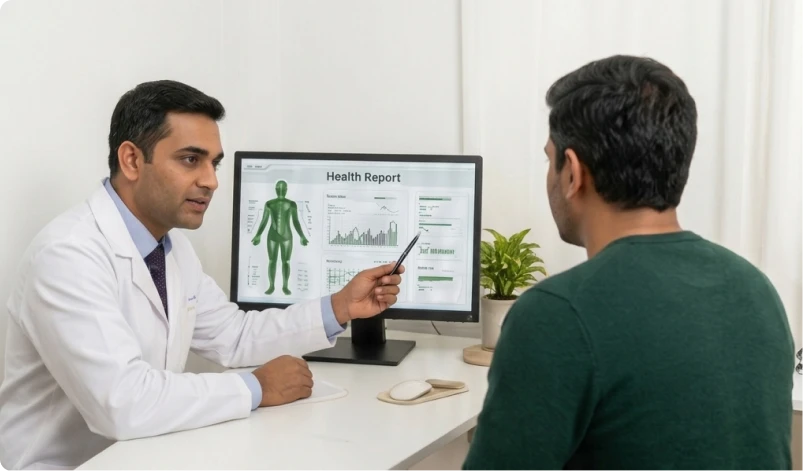
Your Appointment Includes
- Exposure and occupational-health questionnaire
- Review of symptoms, diet, medicines and supplements
- Collection of both required sample types
- Five exposure-related metal measurements
- Five red-cell mineral measurements
- Secure laboratory report
- Clinical interpretation using laboratory ranges
- Source-reduction and nutritional guidance
- Advice on confirmatory testing or referral
Important: Avoid handling metal powders or contaminated material immediately before attendance where practical.
Preparation Before Your Test
Fasting is not normally required
Drink water and arrive hydrated
Bring a medicine and supplement list
Do not stop prescribed treatment without advice
Avoid starting new mineral supplements immediately before testing
Record possible sources and exposure dates
Allow approximately 20–30 minutes
How It Works

1
Book Your Appointment
Arrange online or by telephone.

2
Exposure Review
Review sources, symptoms, work, diet and supplements; collect samples.

3
Laboratory Analysis
Five metals and five red-cell minerals are measured.

4
Receive Your Results
Usually within 14 days of laboratory receipt.

5
Personal Consultation
Review findings, possible sources and appropriate next steps.
Frequently Asked Questions
No. It measures five exposure-related metals and five red-cell nutritional minerals. The nutritional minerals are not classified as toxic heavy metals.
No. Results must be interpreted with exposure history, symptoms, specimen type and other investigations.
No. Arsenic and cadmium are not included. Targeted testing may be needed for a suspected exposure.
Do not undertake unsupervised chelation or provocation testing. It can cause harm and distort results.
They assess minerals associated with red blood cells but do not replace every routine serum or plasma measurement.
Fasting is not normally required unless additional tests are booked.
Results are usually available within 14 days after the samples reach the laboratory.
Your clinician will assess urgency, possible sources and the need for confirmatory testing, GP, toxicology, occupational-health or public-health review.
Ready to Check your Exposure History and Mineral Levels?

Understand potential exposure and mineral status, and receive careful clinical interpretation
Compliance Note: This panel supports exposure and nutritional assessment but does not independently diagnose poisoning, identify a source or prove that symptoms are caused by a result. Suspected acute poisoning requires urgent medical care.